Welcome back! Part three, who’s excited? Just me? Don’t forget I’m not a scientist or ecologist, so if any of my info is incorrect, please tell me. Okay, let’s jump right in. Ecosystems are like a car. If the oil needs to be changed, it’ll still run, just maybe not at peak performance. If there’s an issue with the AC, that’s unfortunate but not the end of the world. If there’s an issue with the engine, the car may not run at all.
I’m sure you’ve heard about ecosystems before and are familiar with how they work. The whole concept of regenerative agriculture is essentially just restoring the ecosystem that already exists. But today I want to talk about keystone species. They are nature’s engine. The car will not function efficiently without it, and nature cannot function properly without them. Some examples of keystone species are beavers, wolves, elephants, and bats.
If any of these were to go extinct, nature would be all out of balance. One example is wolves; they hunt prey. Prey eats grass. If the wolves aren’t there to control the population, they will overgraze the land and starve to death when there’s nothing else to eat. Another thing wolves do is protect herd health. By going after the sick and weak animals, they stop diseases from spreading to other members of the herd.
Without wolves, the rest of their ecosystem would fall into chaos and potentially be ruined. Moving on from wolves, that’s why the BLM rounds up Mustangs. I don’t like it either. Horses get hurt, and some end up sold to slaughter most likely, but they have no natural predators to keep the populations under control. Humans have to step in to protect them even if it’s not a perfect system. But just like humans can help ecosystems, we can also hurt them.
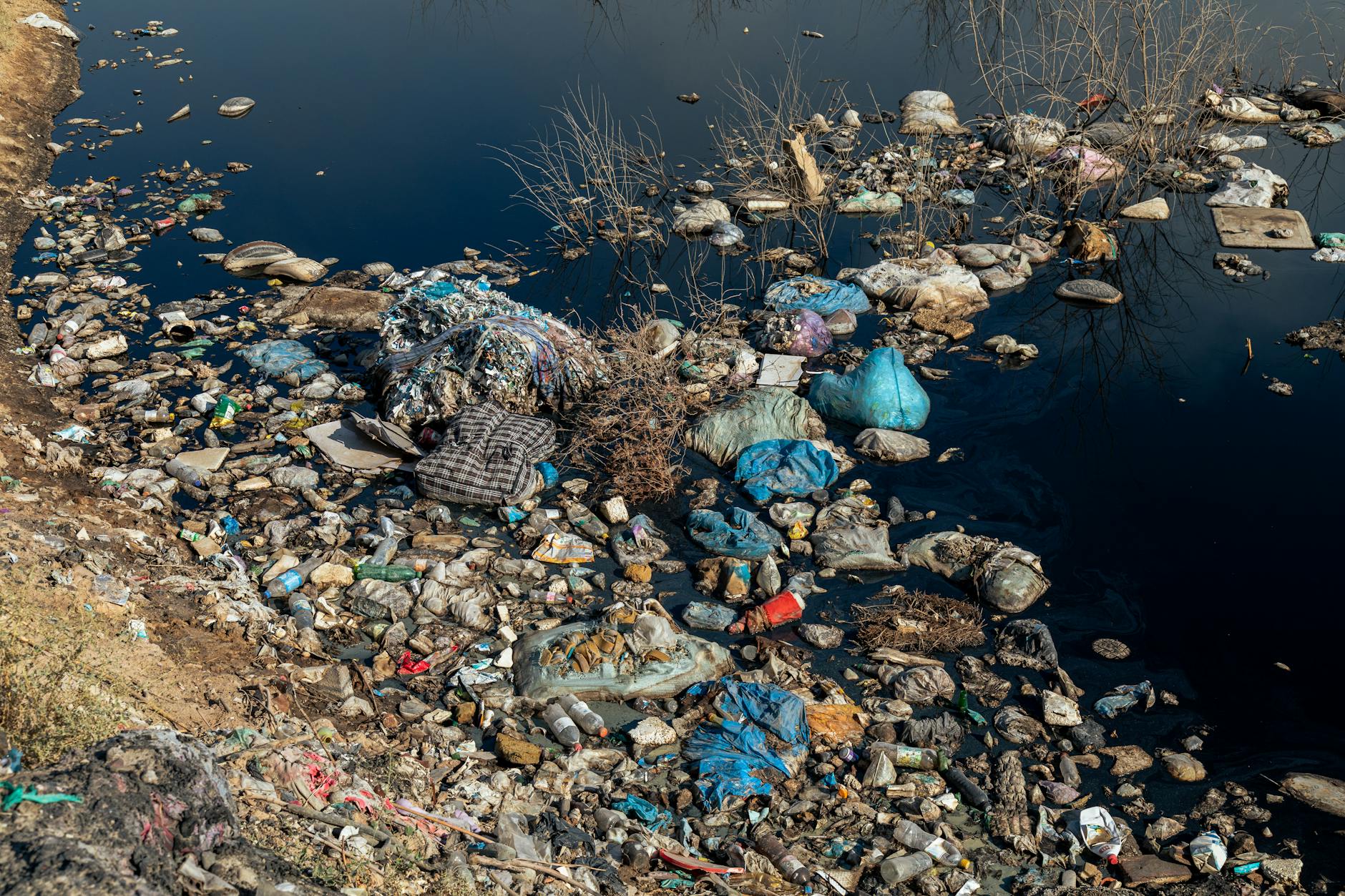
For example, the Great Pacific Garbage Patch. Home to the Laysan albatross as well as numerous other wildlife, and oh, did I mention the 1.6 million square kilometers of trash and debris. A lot of that debris is microplastics or other plastic, and it must look tasty because it’s found in the stomachs of almost every albatross that dies from starvation. It also causes a high mortality rate in chicks.
Wow, that got real depressing real fast, didn’t it? But fear not my readers, because I would never leave you without a positive takeaway! Which brings me to a fun little project called TeamSeas. They managed to remove 34 million pounds of trash from our ocean when it wrapped up in 2024.
But just because it ended doesn’t mean it’s over. The Ocean Cleanup is another organization with a goal to clean up 90% of all floating plastic pollution by 2040! I don’t know about you, but that sounds like a light at the end of the tunnel to me. It’s not just the ocean people are standing up for and trying to save either. For all the deforestation that’s happened, the Forest Stewardship Council has 160 million hectares of forest certified for sustainable forest practices, allowing them to stay forested. That means keeping ecosystems healthy and intact.
It can feel overwhelming. I feel overwhelmed by all that’s wrong in the world, but then I think of these organizations still fighting for a better tomorrow, and it makes me want to fight too! It’s never too late for us to fix our mistakes, to know better, and to do better. But we can’t fix a problem if we don’t know it’s there, so even just raising awareness really is a huge help! If we all care and all work together, we have the power to make a better tomorrow. We don’t have to accept the way things are.
We’ve got one more section, and it’s all about animals, so I hope to see you there. Until next time…
Sincerely,
LIBD